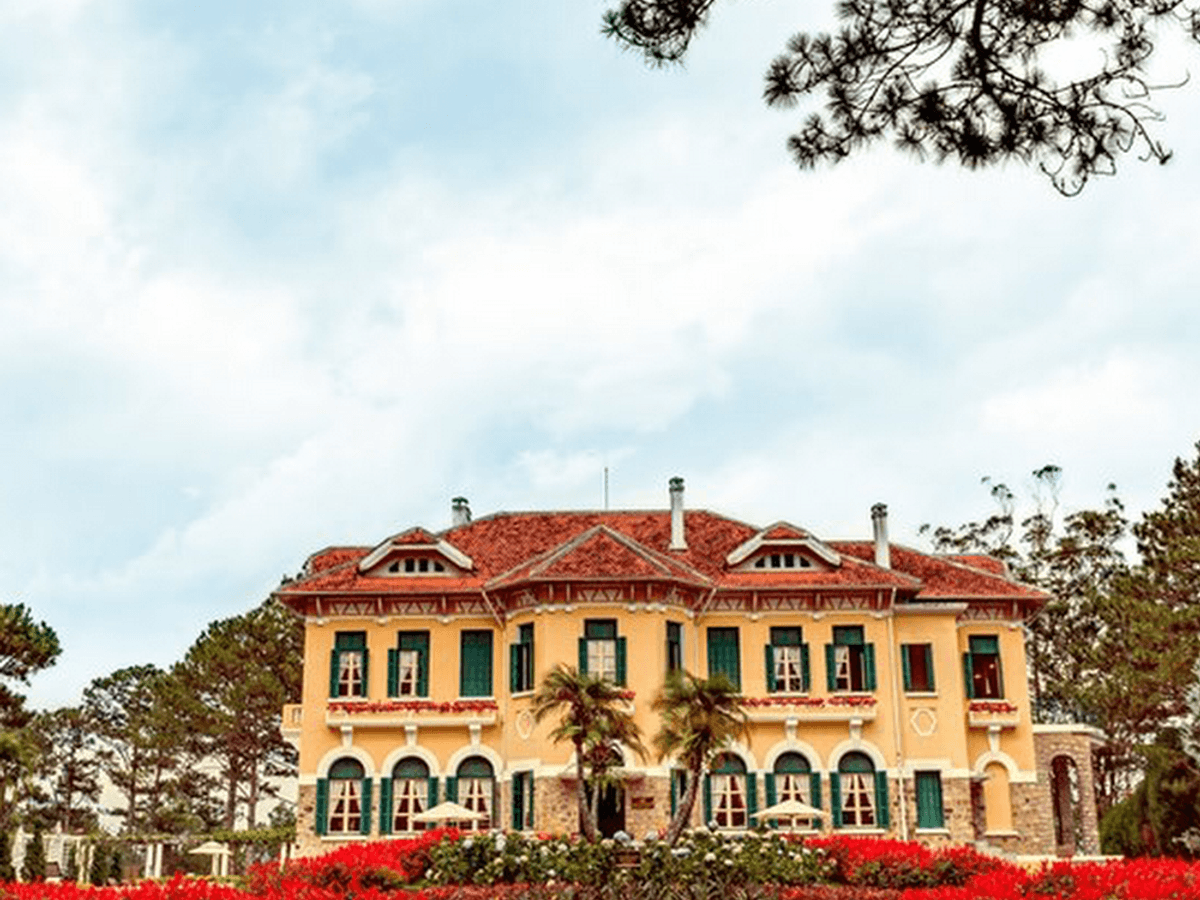
Bao Dai Palace is an ideal destination to explore ancient French architecture and learn about the history of the Nguyen Dynasty. This place offers a relaxing, cool space and many interesting experiences for visitors.
French colonial mansion set in the forest. A grand European-style mansion amidst pine forests, once the residence of the last king of Vietnam.
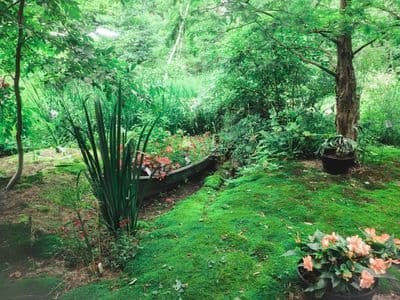
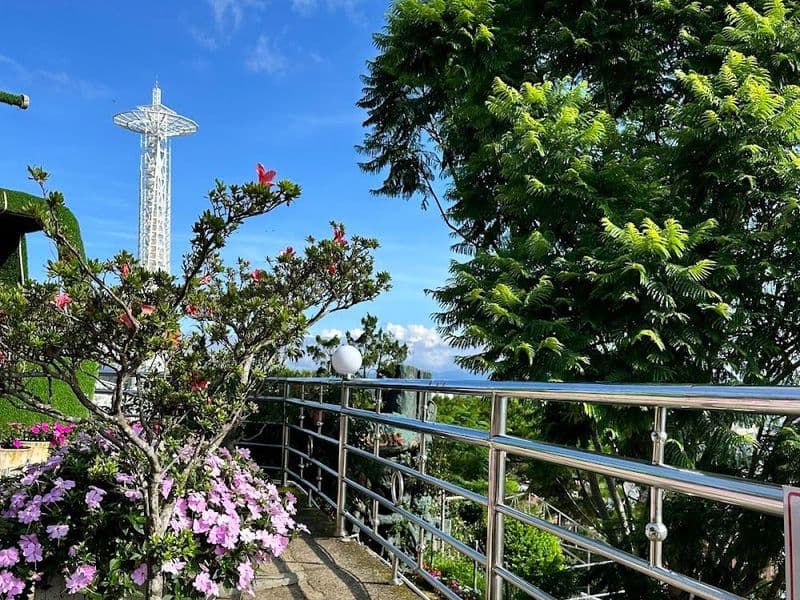
Bao Dai Palace is an attraction deeply imbued with history and classic Da Lat architecture. The atmosphere is quiet, cool, and well preserved. Inside, there are many artifacts and antique furniture that help visitors better imagine the life of the last king of the Nguyen dynasty. The surrounding grounds have plenty of greenery and are very beautiful for taking photos. This is a place you should visit if you love history and want to find a quiet, nostalgic corner of Da Lat amidst the foggy city.
The boundary with my neighbor's house in my hometown is just a bed of taro and a row of betel palms. The door is always open to come and go, and the simple gate is merely symbolic and never closed. A padlock is just a concept that has never been used.
Location on the map
Open Google Maps for directions.
6.2K reviews
The palace is spacious and airy, displaying many very valuable historical objects. In front of the palace yard there are pigeons; I bought 1 bags of food to release, and when I clapped my hands, they immediately flew down to eat.
Beautiful scenery, selling food and drinks at reasonable prices, cool and relaxing atmosphere, suitable for visiting with family
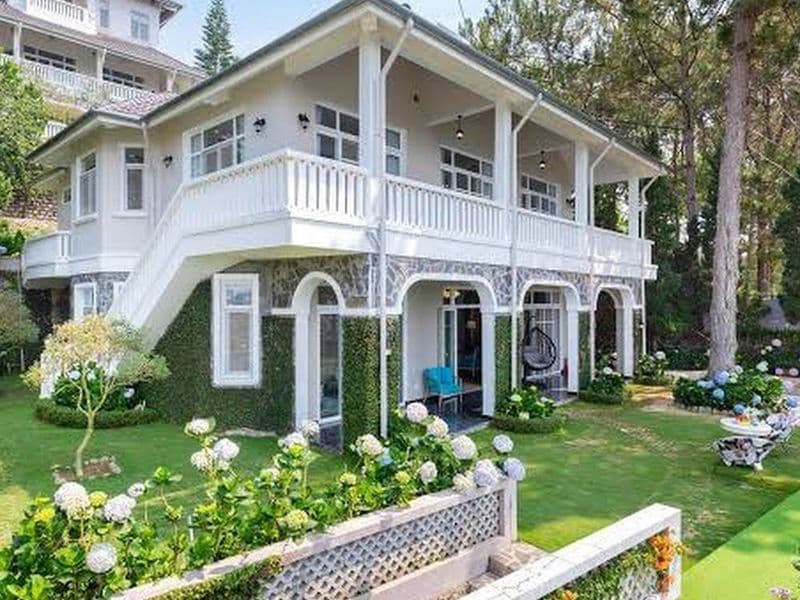
Dinh I (King's Palace) was originally a villa built by a French millionaire in 1940, later bought back by Bao Dai in 1949 and used as a retreat for him, Empress Nam Phuong, and Queen Mother Tu Cung. Located on Tran Quang Dieu Street, Dinh I was built on a high hill in a spacious area amid a pine forest. Recently, Palace I was renovated, so it looks quite new and splendid (more so than Palace II and Palace III, also in Da Lat). Inside Palace I, there are full working rooms for Bao Dai, a Cabinet meeting room, a dining room, and a kitchen. The 2 floor includes bedrooms for Bao Dai, Empress Nam Phuong, Mrs. Tu Cung, a bedroom for Crown Prince Bao Long, a recreation room for the king and queen, a small shrine connected to Mrs. Tu Cung's room through a door, and a bedroom for accompanying officials. Later, when Bao Dai was deposed, Ngo Dinh Diem continued using Dinh I as a place to live and work. In Ngo Dinh Diem's office, behind the bookshelf, it is said there is a tunnel running straight out to the helipad at the back. It is read that during the renovation of Dinh I, people discovered a 4km long tunnel connecting Palace I with Palace II, with branches turning to adjacent villas. It is said this tunnel was dug earlier by the Japanese with the purpose of a coup against the French, capturing all French generals in the Governor-General's Palace (Palace II, now the guesthouse of the Lam Dong Provincial People's Committee) and surrounding villas. Besides that, Dinh I also has a royal garden, a waterfall, an artificial lake, and horse stables. On both sides of the pathway leading into Dinh I at present, there are 2 villas named Bao Dai and Nam Phuong, likely used for rental purposes (like a hotel).
For venue owners
Reach thousands of travelers looking for memorable experiences in Da Lat every day.
Contact usDa Lat weather
Partly cloudy
No rain reported
20°C
Updated at
Details